
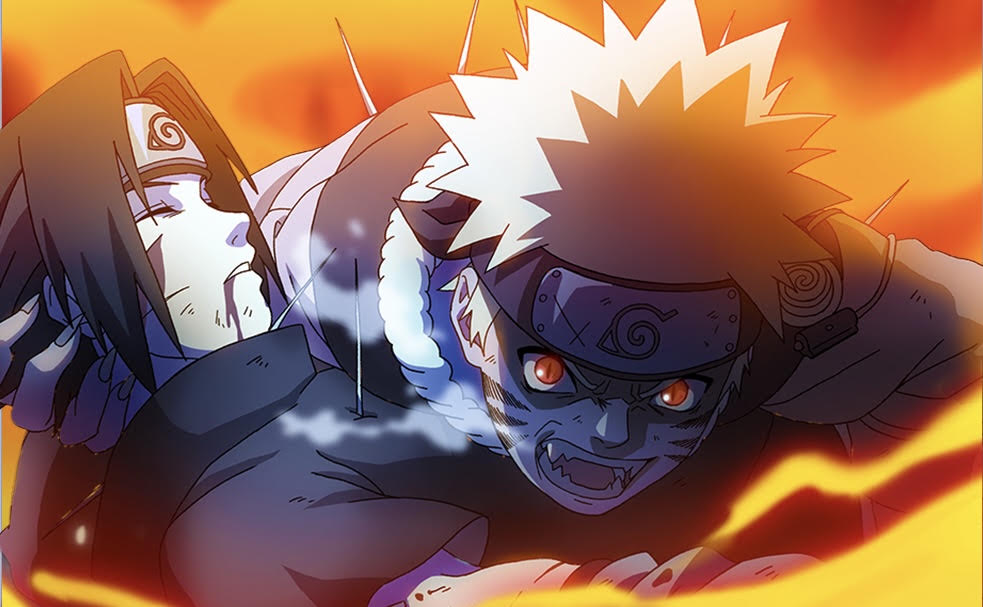
1. Basic knowledge
1.1 Matches
Matches last three minutes, and both players start with three  Energy. This may change in a future update. Each player has two lives, represented by their base. Land two base hits to win immediately. If time expires first, the player with more base hits wins.
- Your lives are shown in blue.
- Your opponent's lives are shown in red.
- If the timer ends and your opponent has one fewer base hit than you, you win.
If the match is tied when time expires, the game selects a Champion card. The Champion with the most  Chakra wins.
1.2 The champion system
The game selects a card already in play as your Champion and combines the Chakra of your active cards with it. The player whose Champion has the most Chakra wins.
1.3 Lanes
There are three lanes: two side lanes and one middle lane. The side lanes are longer than the middle lane. Cards without  Rush take about 45 seconds to reach the enemy base through a side lane and about 30 seconds through the middle lane. During Final Clash, cards move slightly faster, so they reach the enemy base sooner.
1.4 Final Clash
Final Clash (FC) begins when one minute remains. Cards deployed during FC will not return to your hand, and cards move slightly faster. Rush moves a card at one second per cell;  Slow moves it at four seconds per cell.
1.5 Cards
Cards are released in seasons, with each season introducing a new set. A standard season typically contains 100 cards. Card rarities are Common, Rare, Epic, and Legendary.
- Energy
- The cost to deploy a card.
- Chakra
- A card's health and its contribution to the Champion system.
- Skill
- The card's primary effect or effects.
1.6 Skills
- Rush
- The card advances 66% faster for X seconds.
- Slow
- The card advances 66% slower for X seconds.
 Push
- Pushes cards a specified number of cells in a direction; movement is nearly instant.
 Pin
- Stops a card from advancing for X seconds.
- Chakra
- Adds X chakra to one or more specified cards.
 Weaken
- Removes X chakra from one or more specified cards.
 Guard
- Prevents rival card skills from affecting the card while Guard is active. Normal encounters still count.
 Switch
- Moves a card to another random lane.
 Teleport
- Teleports to a card or location. Movement is instant.
 Burn
- The card loses one chakra every four seconds, up to X times. Chakra gains are reduced to one while Burn is active, and each gain reduces the remaining Burn count by one.
 Focus
- The card stops advancing for X seconds, often alongside skills such as Burn, Weaken, or Push. Push interrupts Focus.
 Heal
- The target allied card gains up to X Chakra and loses negative effects such as Pin or Burn. Its Chakra cannot exceed its base value. For example, a card with four base Chakra at two heals to four, not five, even with Heal(3).
 Seal
- A card withdrawn by Seal becomes locked when it next returns to your hand. It cannot be deployed until the lock expires.
 Summon
- Summons a specified card from your deck or a token.
1.7 Card types
- Cards
- The cards that make up your deck. They can be sacrificed to fuel other cards, abilities, or engines.
- Clones
- Usually summoned by other cards on deployment or when a condition is met. Clones cannot be sacrificed and do not trigger withdrawal effects or engines.
- Tokens
- Summoned when a condition is met. Unlike Clones, Tokens can be sacrificed and can trigger effects or engines that activate when a card is withdrawn.
Cards, Clones, and Tokens all contribute to the Champion's final chakra count.
2. Card skills and deck building
There is no secret to deck building. Putting your ten favorite Naruto characters into one deck will not necessarily work. Your deck needs balance: whether you prefer defense or offense, your cards need to work well together.
2.1 Understand skills and synergies
Before building a deck, learn how a card's skill can influence or scale another card. Understanding those interactions makes deck building easier and helps you prepare for different situations. These are some of the main playstyles:
Weaken
Weaken can trigger On Deploy, On Encounter, On Each Encounter, or On Withdraw. It can target one card, a lane, nearby rivals, a specific range, or the whole board. Some cards gain chakra for each Weaken applied, creating an engine.
Guard nullifies Weaken applied to guarded cards, so those applications will not count toward your engines. If you build around Weaken, include a win condition that complements it.
Push
Push can send rival cards backward, buying time to strategize or rotate your hand. It can support an engine while also serving defensive and offensive roles, including stopping Focus. Push also works well with Gamabunta.
Guard
Guard counters most skill types, except Summon, Chakra+, and control-style decks. Consider including at least one Guard card that scales when its Guard is triggered. Full Guard decks are uncommon unless you expect a full Weaken deck; Guard is more often support against Focus, Weaken, and Push. A Guard win condition needs cards that support and scale with it.
Summon
Summon strategies use cards that bring specified cards or tokens into play. Build around the cards being summoned and how their effects support your plan.
Pin
Pin can be a strong playstyle without being your only win condition. It can work well with Kabuto and Itachi. A pure Pin deck is difficult to support on its own, so include Guard, Guard-piercing, Chakra+, and other support cards.
Spam and Rage
Rage can work in control decks, but it is better suited to Spam, Self-Weaken, and Sacrifice decks. Targeting Naruto Kyubi Rage first is one way to counter it. This playstyle aims to deploy as many cards as possible before playing Kyubi Rage, ideally just before those cards withdraw. Some synergies are high-risk, high-reward.
Focus
Focus cards are usually played with support to protect them. They can be high-reward when played well and left uninterrupted. Push is the only skill type that interrupts Focus, aside from defeating the card itself, which can be difficult and expensive.
Skill nullification and support
Support cards can make a major difference. Guard support can protect Focus cards or your win condition; Rush can create pressure; and cards such as Shizune can nullify skills to control the match or stop an oppressive Push. Use these cards carefully.
Control
Control is a deck style rather than a skill type. Control decks aim to have an answer to many situations. They may not have a single win condition, instead trading efficiently and gradually pressuring the opponent until they get a base hit or win in overtime through the Champion system.
2.2 Build your deck
Rotation and energy
A working deck is one you can rotate. Around 40 energy for the whole deck is a useful benchmark for keeping it rotatable. Poor rotation can drain your energy while defending and eventually cost you a base hit.
Build your defense first
Consistency matters: include cards that can answer different situations. A balanced defense can include:
- S1_070 Kakashi Hatake (Raikiri), which can pierce through Guard cards.
- S2_091 Naruto Uzumaki (Will to Protect), which gets stronger as the match goes on and can stop scaled-up cards.
- Long- and mid-range Weaken or nullifying cards to control the field and stop engines.
- S2_092 Sasuke Uchiha (Curse Mark), which can take care of leftover or Spam cards.
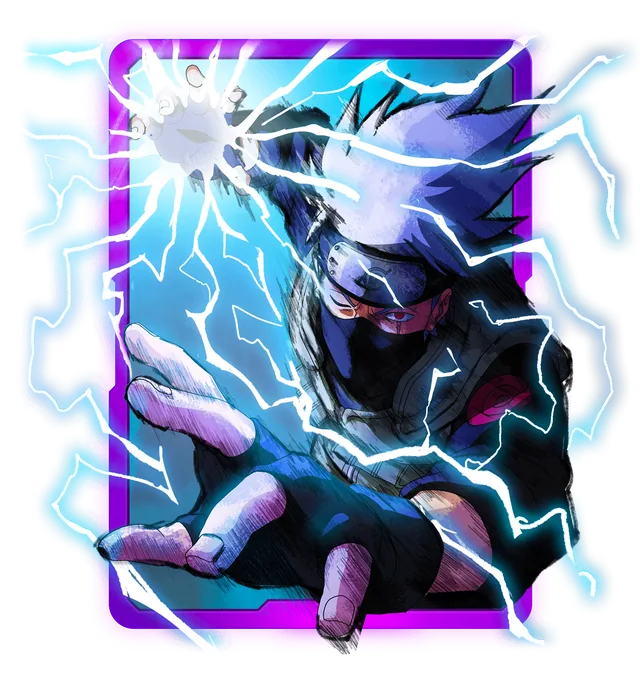 Kakashi
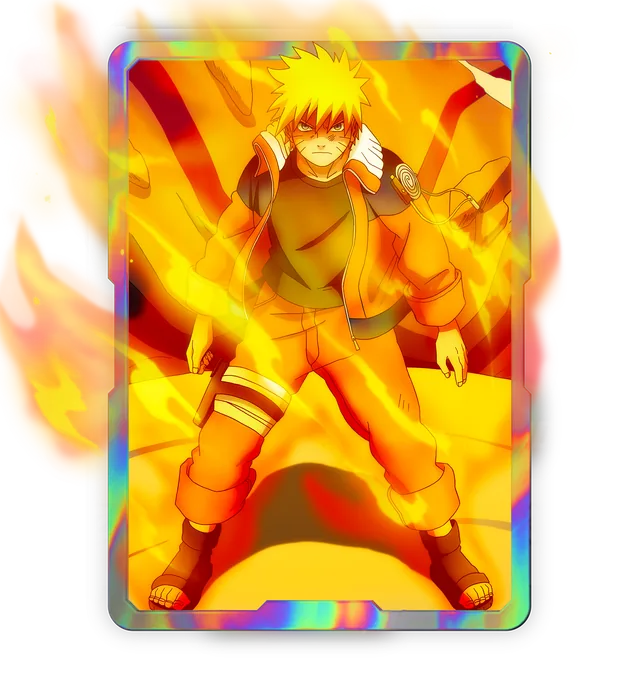 Naruto
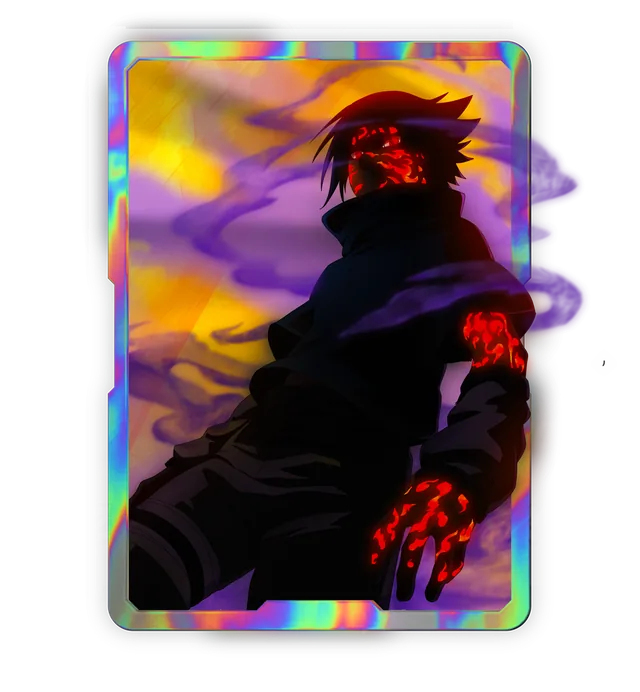 Sasuke
Look for cards that keep your base safe and answer different threats. Once your defense is covered, you can focus on your offense. Use the Deck Finder to explore community lists, and the card usage dashboard to see which cards appear in submitted decks.
Choose a win condition
Offense can be the hardest part of a match. First identify what your opponent is playing, learn their rotation, and watch for defensive or skill-nullifying cards they may waste. Work toward a field and energy advantage before committing to an attack.
Your win condition is how your deck plans to win. Ask yourself:
- Can this win me the game?
- How does it win?
- What does it need to work?
- How can I sustain it?
Your win condition should fit your deck. A Spam Rage deck has different needs from a Weaken deck. Once you choose the win condition, select cards that support it.
Support your win condition
For example, Bloodlust Gaara (S2 Epic) or Battle Plan Kakashi (S1 Legendary) can benefit from Weaken cards. Your win condition will likely be targeted, so think about how to keep it going. Homura or Tsunade, for example, can counter Shizune's nullifying skill and give Battle Plan Kakashi or Gaara another chance.
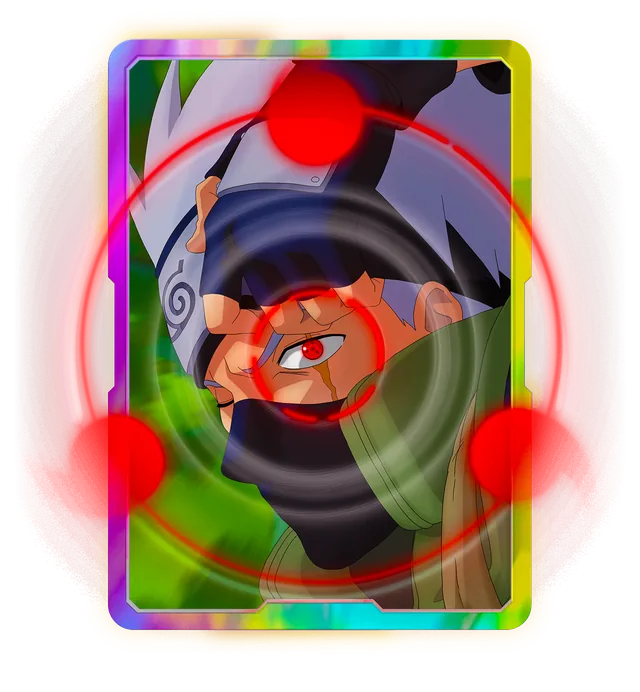 Kakashi
 Gaara
 Homura
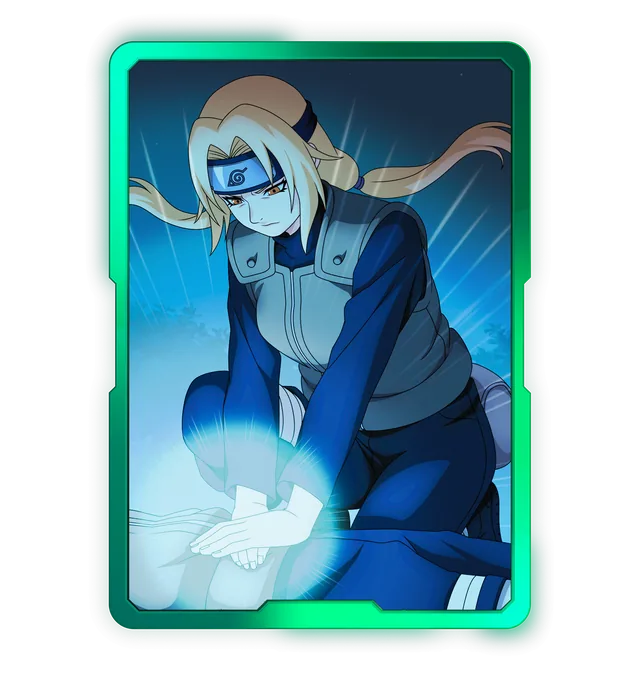 Tsunade
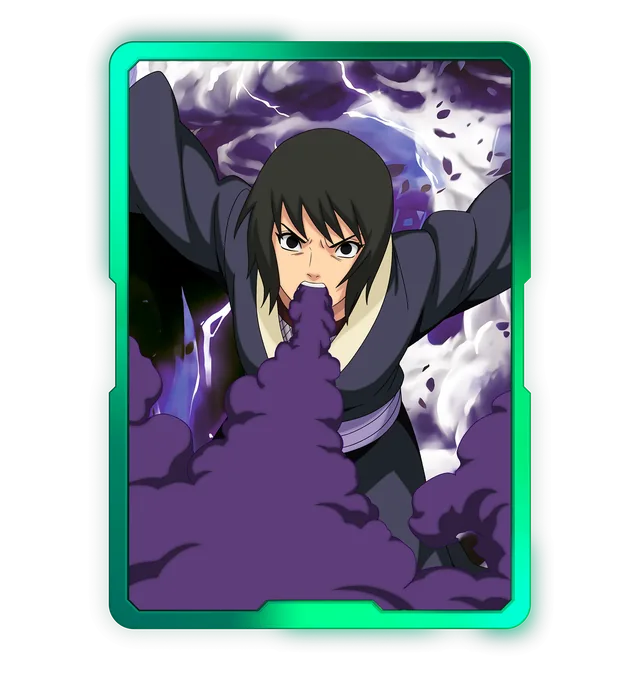 Shizune
Plan for hard counters
Some decks can completely nullify your attack or much of your deck. If your attacks are not working, take a breath and play defensively; you may still win in overtime through the Champion system. A loss is also a chance to learn where your deck needs work.
Consider a backup win condition
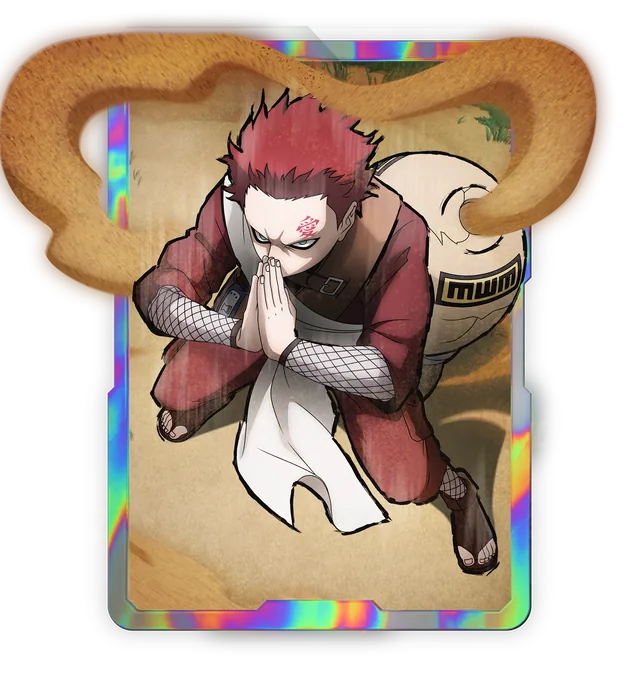
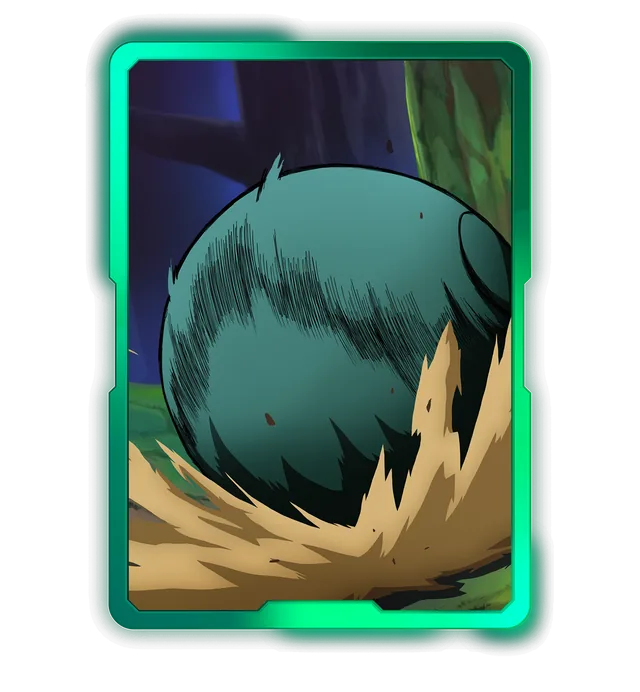
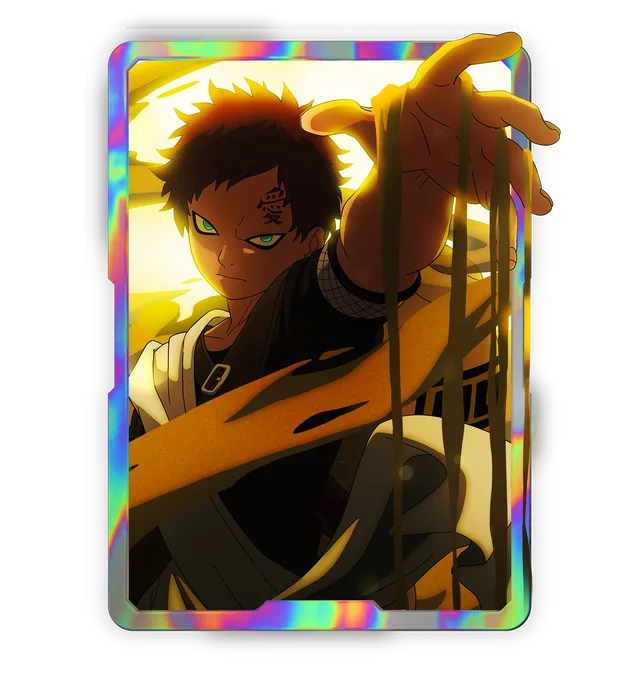
Fitting in a second win condition is challenging because you need to balance offense and defense. Read card skills carefully. Some cards can support different engines at once: Battle Plan Kakashi and Gamabunta scale with Weaken and Push respectively, while Sand Tsunami Gaara (S3 Legendary) and Choji (S2 Rare) can apply both Push and Weaken.
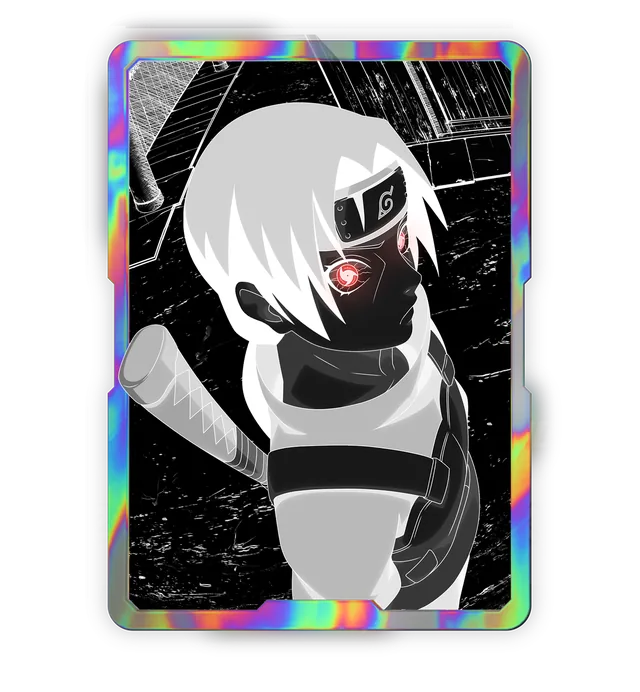
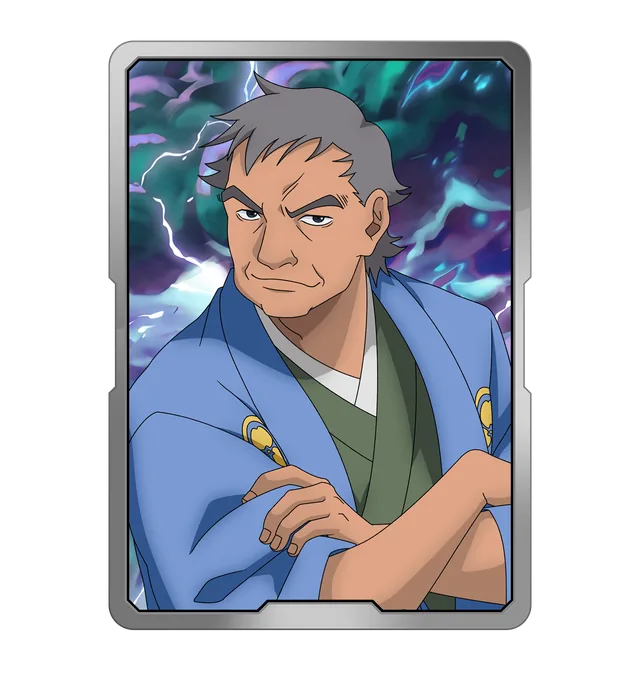
A second win condition can also be completely different from the first. Opponents often spend energy and resources to stop your main win condition; use that pressure to create an opening for your backup. For example, use Gaara Sand Release (S2 Legendary) with Itachi (S3 Legendary) to pressure one lane, then Jirocho with Sasuke (S3 Legendary) to pressure another when an opening appears.
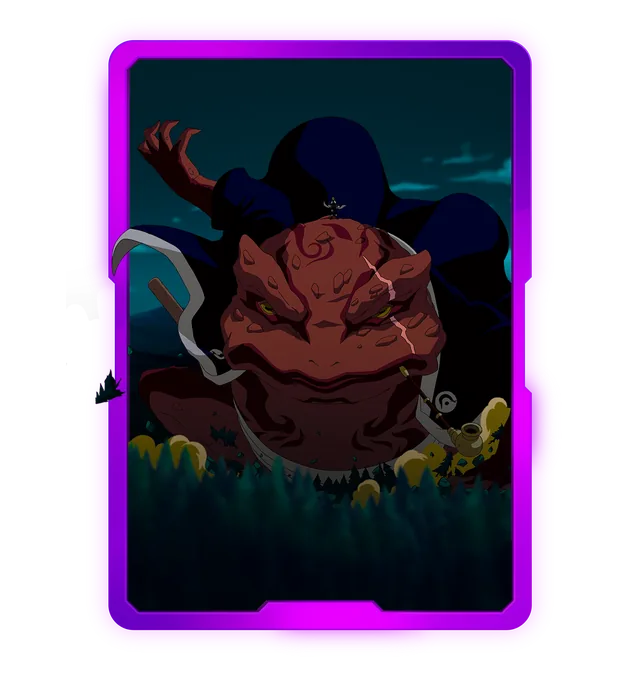 Gamabunta
 Gaara
 Choji
 Gaara
 Itachi
 Jirocho
Stay creative and patient
Almost any card can become a win condition. Even a one-chakra Akamaru can register a base hit. If you have an energy advantage and a small card approaching the enemy base, a last-second Switch can move the opponent's defender to another lane and leave your card unprotected.
You do not need a 25-chakra card to win. Having your win condition in hand does not mean you should play it immediately; waiting, reading your opponent, and identifying their deck can pay off.
3. Card investment
You can eventually unlock every card by playing consistently. PvE and PvP rewards are generous, but if resources are limited, prioritize investments in this order:
- Versatility: Favor cards that fit into many decks, such as Fireball Sasuke (S1 Legendary), WTP Naruto and CM Sasuke (S2 Legendary), and Shizune (S3 Rare). These cards can offer a lot of value when played well.
- Synergy: Prioritize cards that fit the deck or engines you are building.
- Replaceability and consistency: Consider whether another card can do the same job and whether the card reliably does what you need.
- Future potential: Think about whether future updates could make the card more or less useful.
 Sasuke
Compare your options with the community's card usage data, but remember that usage is a reference, not a substitute for building around your own strategy.
4. Understanding the meta
Understanding the meta is not just copying whichever deck currently works best. It means understanding why certain decks are strong and how you can adapt to them. Explore community decks to see what players are using, then consider how those strategies work and what answers your own deck needs.
5. Playing the match
Knowing the mechanics is only part of improving. Match experience teaches timing, decision-making, and how to adapt to different situations.
5.1 The opening
Opening cards should work both offensively and defensively, giving value without hurting your rotation. Prefer cards that do not waste their On Deploy skills or that are not needed to fuel an engine or snipe, unless you already have the card you need in hand.
Sometimes a poor starting hand forces you to play a less-than-ideal card. Experience helps you learn what to play early, what to save, and what you can sacrifice to make room in your rotation.
5.2 Reading your opponent
Knowing what your opponent is playing, or might be playing, is crucial. Remember their cards, identify their deck style, and consider what you can do to counter it.
5.3 Tempo
Stay calm at the start and avoid spending all your energy at once. Waiting a second can matter for card placement and strategy. Keep your energy at a safe level and wait for the right timing.
5.4 Attacking and defending
For attacks, read your opponent's deck and prepare. Patience helps: wait until they use a card that is important to their defense before committing. For defense, get your hand in order early and rotate out what you do not need. Applying pressure can help you defend, but do not let an opponent build too much Push; stop it early if you can, since you may not know what support cards they have.
Do not be afraid to play aggressively, but remember the difference between aggression and overcommitting.
5.5 Final Clash
By Final Clash, you should have learned your opponent's deck style, rotation, and which cards counter each other. Decide whether to keep attacking or play safely, control the field, and prepare to wait for overtime and the Champion system.
5.6 Overtime and the Champion
Prepare for overtime with careful energy management and timing. The goal is to have the most chakra on the field, so playing patiently and intelligently matters. Match experience will help you recognize how to do that.
5.7 Learn from each match
After each game, ask yourself:
- Why did I lose, if I lost?
- What could I have done or played differently?
- What was missing from my deck?
- How can I improve it?
You can keep improving your deck even on a 50-win streak; there will always be players who can beat you.